
On-Demand vs. Pre-Cut Screen Protectors: Which Wins?


If you sell screen protectors, you're doing it one of two ways. Either you stock them pre-cut, buying packs for each model and hoping you guessed demand right, or you cut them on demand, keeping raw film and glass on hand and fitting whatever phone lands on your counter. The gap between those two approaches shows up directly in your margins, your shelf space, and the number of sales you actually close.
Pre-cut has been the default for years, mostly because it's familiar. Familiar isn't the same as profitable, and once you run the two side by side, the on-demand screen protector machine tends to win on nearly every line that matters to a shop owner.
Coverage: the sale you can or can't make
Pre-cut protectors only sell if you happen to stock the customer's exact model. Miss it and the answer is "sorry, we don't carry that," which sends a paying customer out the door. There are hundreds of phone models in active use, and no shop can pre-stock all of them. On-demand cutting covers 2,000-plus devices from the same rolls of film, so the answer is almost always yes. Every yes is a sale a pre-cut shop down the street just lost.
Inventory: cash on the shelf vs cash in the drawer
Pre-cut means money tied up in boxes, some of which will never sell because the model faded or you overbought. That's dead stock, and it's real money frozen on a shelf. Cutting on demand replaces a wall of SKUs with a couple of rolls that fit everything. Your cash stays liquid, your storage shrinks, and you stop eating the cost of protectors nobody buys. This is a big part of why shops that buy direct and cut in-house (link) hold better margins than those restocking pre-cut packs from a distributor.
New releases: ready now vs waiting weeks
When a new iPhone or Galaxy drops, pre-cut protectors take time to reach distributors and then you. For a few weeks you're turning away exactly the customers most eager to protect a brand-new phone. An on-demand setup updates its device library and cuts the new model right away, so you're ready the same week it launches while competitors wait on shipments.
Consistency and speed at the counter
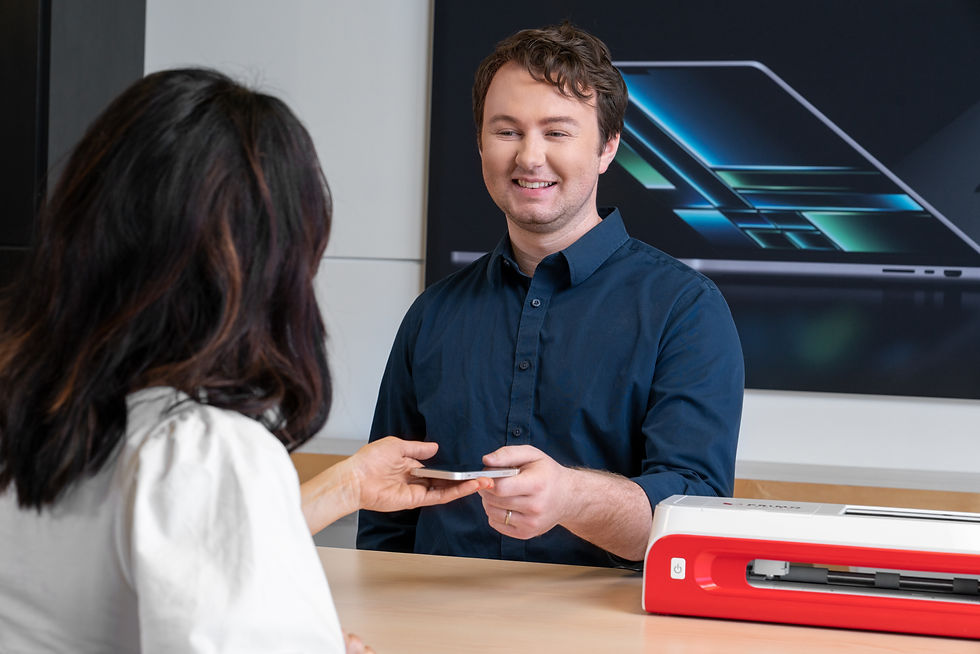
A good cutting machine (link) produces a clean, precise fit every time and does it in under a minute while the customer watches. That little bit of visible craft makes the protector feel custom and worth the price, and it keeps your line moving during a rush.
Where pre-cut still makes sense
To be fair, pre-cut has a place. If you only ever service one or two models, or you want a specific branded retail protector on a hook for grab-and-go, keeping a few on hand is fine. The trouble starts when pre-cut is your whole strategy, because that's when the coverage gaps and dead stock quietly cost you more than the machine ever would. For most shops seeing a real mix of devices, on demand is the model that pays. It closes more sales, frees up cash, and keeps you ready for whatever phone walks in next.


Comments